


The Value of Wind Mitigation Inspections: Why They Matter More Than You Think

Updated: Dec 23, 2025
Living on Florida’s Gulf Coast—whether you're in Hernando, Pasco, or Citrus County—means getting used to some pretty wild weather. Hurricanes, heavy storms, and strong winds aren’t just possibilities; they’re part of the lifestyle. That’s why it’s so important to know about wind mitigation inspections. A lot of homeowners don’t realize how much of a difference these inspections can make—not just in protecting your property, but in saving you real money on insurance. So, let’s break it down: what a wind mitigation inspection is, why it matters, and how it can help you feel a little more secure when the skies turn dark.
Understanding the Value of Wind Mitigation Checks
Think of your home like a boat heading into storm season. If it’s not properly reinforced, it’s going to take a beating. That’s where wind mitigation inspections come in—they’re like a pre-storm check to see how well your house can stand up to strong winds and what you can do to make it even stronger.
During the inspection, we look at things like the shape and age of your roof, and how your doors and windows are built. Each of these details can make a big difference when the wind picks up. The stronger your home’s features, the better your chances of riding out a storm with minimal damage.
And here’s the bonus: most insurance companies in Florida offer discounts if your home qualifies for wind mitigation credits. So not only are you making your home safer—you’re also likely to save money on your premiums. That’s what we call a win-win around here.

What is the biggest red flag in a home inspection?
When it comes to protecting your home from hurricanes, the roof is usually the biggest concern. If it’s old, wasn’t installed right, or just doesn’t have the proper reinforcements, it can become a major problem fast. A weak roof is one of the first things strong winds will go after—and once it’s compromised, water damage inside the home isn’t far behind.
Some other common trouble spots we see during wind mitigation inspections include:
Windows and doors that don’t have impact glass or storm shutters
Roof-to-wall connections that are loose or outdated
Garage doors that aren’t properly reinforced
Catching these issues early can make a huge difference. Not only can you avoid expensive repairs later on, but you’ll also be in a better position with your insurance company. A solid wind mitigation inspection helps flag potential problems before they turn into costly disasters.
How Wind Mitigation Inspections Work and What They Cover
A wind mitigation inspection is basically a detailed checkup of how well your home is built to handle high winds. A licensed inspector will come out and look at a few key areas that play a big role in storm protection:
Roof covering – What type of material is on your roof, and is it rated for high wind?
Roof deck attachment – How is the roof deck secured to the structure? Are nails used, or just staples? (Yes, it makes a big difference!)
Roof-to-wall connections – Are there metal straps or clips tying the roof to the walls? These connections help keep your roof in place during a storm.
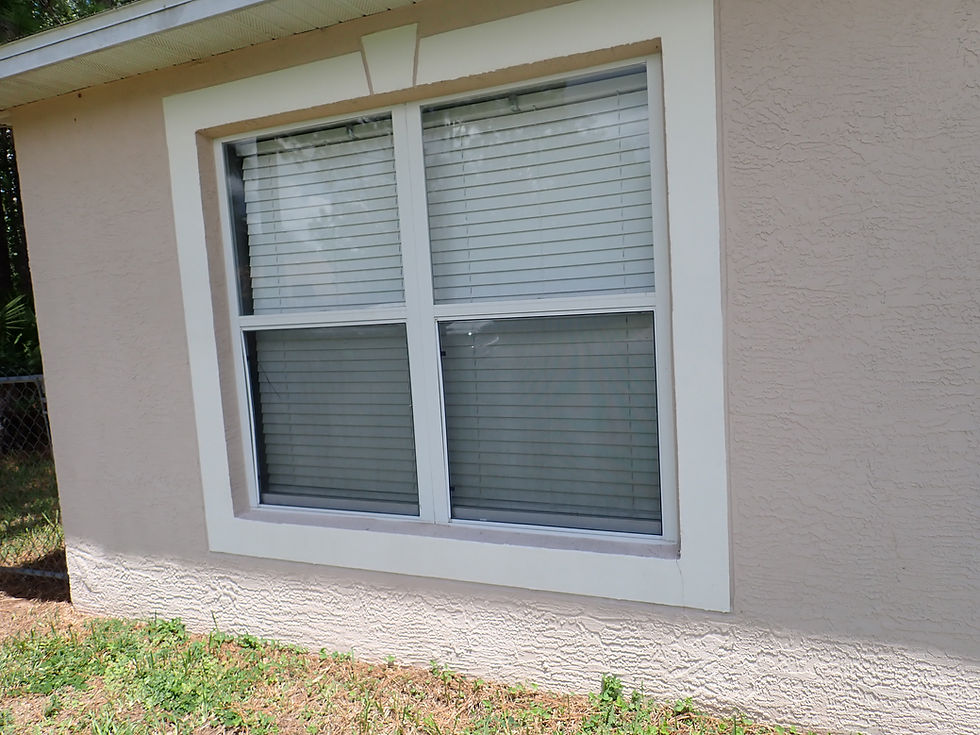
Windows and doors – Do they have impact-rated glass, or are they protected by shutters?
Garage doors – Are they reinforced to handle high pressure from strong winds?
Other openings – Any other vulnerable spots (like skylights or side doors) that might need added protection?
Once the inspection’s done, you’ll get a report showing what your home is doing right and where there’s room to improve. This isn’t just helpful for peace of mind—it’s also important for your insurance company. A solid wind mitigation report can help you qualify for discounts on your premium.
Practical Steps to Prepare Your Home for Wind Season
Once you know how your home holds up in a wind mitigation inspection, the next step is making smart upgrades. Here are some solid ways to strengthen your home and boost its storm protection:
Upgrade your roof – Consider switching to wind-rated shingles or metal roofing, which holds up better in storms.
Add hurricane straps or clips – If your roof isn’t already secured with these metal connectors, adding them can make a huge difference in a storm.
Reinforce the garage door – A weak garage door is a big risk. Reinforcing it helps prevent major pressure changes that can damage your whole home.
Install storm shutters or impact windows – Protecting your glass openings is key. Shutters or hurricane-rated windows are a smart long-term investment.
Secure outdoor items – Loose yard furniture, grills, and even garden tools can become dangerous in high winds.
Keep trees trimmed – Regularly cut back branches and remove any dead or leaning trees near your home.
Even small upgrades add up—and the good news is, many of these improvements can lower your insurance premiums, helping to pay for themselves over time. It’s all about being proactive now so you’re not stuck with costly repairs later.
Why You Should Schedule a Wind Mitigation Inspection Today
Waiting until a storm is brewing to check your home’s wind resistance is like waiting to test your brakes while driving downhill—it’s just too late. Getting a wind mitigation inspection now puts you one step ahead.
Here’s why it pays to act early:
Insurance savings – Many insurance companies won’t give you discounts without a current inspection on file.
Peace of mind – Knowing your home is storm-ready helps you sleep better when hurricane season rolls around.
Boosted home value – Wind-resistant features are a big selling point for buyers.
Lower repair costs – It’s much cheaper to fix small issues before a storm than to deal with major damage afterward.
If you’re buying or selling a home, a wind mitigation inspection is also a great negotiation tool. It gives you a clearer picture of the home’s condition and its potential insurance costs.
At the end of the day, protecting your home means planning ahead. Wind mitigation inspections are a simple, smart way to safeguard your investment—and your peace of mind.
Don’t wait until the next storm is on your doorstep. Schedule your inspection, make the upgrades, and be ready for whatever the weather throws your way.


Comments